

Wild Facts
We are in the midst of the world's 6th mass extinction—all human-caused.
Select an image to learn wild facts about our featured animals.
Become an advocate for endangered species to help save these
Intrinsic Beauties from extinction.

WILD FACTS: • Every tiger has unique stripes - like human fingerprints! • A tigress signals danger to her cubs by flashing the white spots behind her ears. • Tigers have the brightest eyes in nature since they are backlit by a membrane that reflects light through their retina. ENDANGERED ALERT! Tigers are being poached as part of the illegal wildlife trade for their fur and body parts. Their habitat is also being lost in large part due to deforestation by palm oil companies.
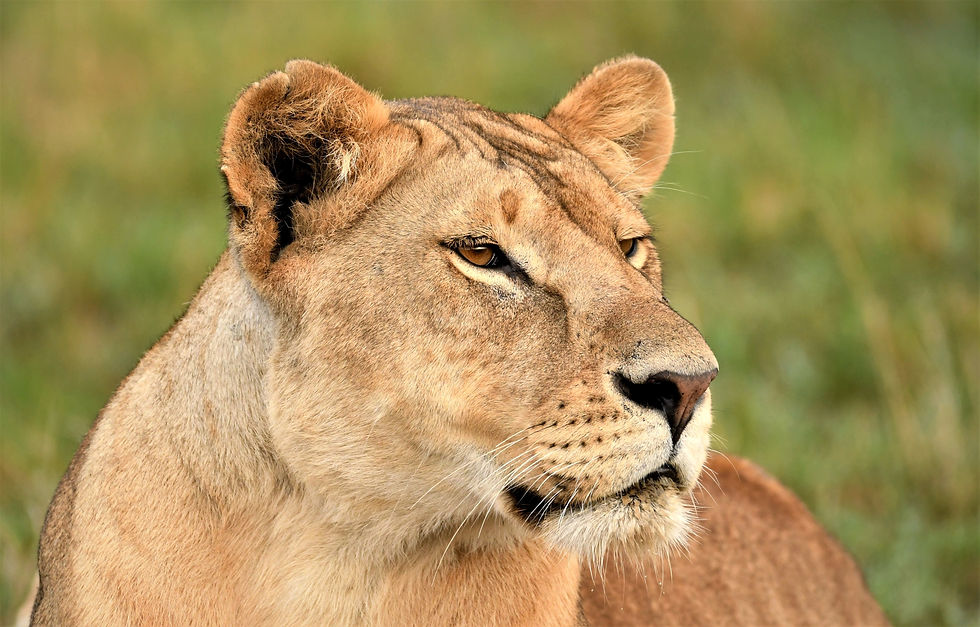
WILD FACTS: • Lions are apex predators and a keystone species. • A lion’s powerful roar can be heard over 8 km away. • Lionesses are fiercely protective of their cubs and are the primary hunters in a pride of lions. • Most lions don't live in jungles despite being called “Kings of the Jungle.” VULNERABLE ALERT! Trophy hunting, the illegal wildlife trade, habitat loss, and human-wildlife conflict contribute to the demise of this iconic species known as symbols of strength and courage.

WILD FACTS: • Polar bears are classified as marine mammals. • They have been known to travel over 1000 km in one season. • They love blubber! Polar bears can eat over 100 lbs of blubber in one sitting. VULNERABLE ALERT: The biggest threat to polar bears is climate change. According to a 2020 study (cited by Polar Bears International), without real action on climate change, only a few polar bears would remain by the end of the century.

WILD FACTS: • Found in Asia and Africa, a single pangolin can eat about 70 million insects a year, helping to balance ecosystems. • They are the only mammals covered in scales, which are made of keratin - same protein as our nails and hair. • The word pangolin comes from the Malay word penggulung meaning roller. Pangolins roll up in a ball to protect themselves. ENDANGERED ALERT! They are the most trafficked mammals in the world, poached for their scales despite being made of keratin.
Stand Up for the Wildlife You Love
Be the change. Your voice, your time, and your choices matter. They have power, and can change lives—both human and wild. The future of our planet’s most vulnerable beings depends on what we do today. Let’s make every action count.
In addition to joining our Intrinsic Beauty community, here are some ways you can make a real difference Speak Up: Write polite heartfelt letters or emails to decision-makers demanding stronger protections for wildlife. Represent the animals: Sign and share petitions that protect animals and their habitats. Every signature adds strength to the cause. Give What You Can: Even small donations fuel big change—support organizations working on the frontlines of conservation and animal welfare. Volunteer Your Time: Whether locally or abroad, your hands and heart can bring relief, build shelters, or support rescue missions. Start a Movement: Form a club, launch a campaign, or rally your community. Change often begins with one passionate person—you. Travel with Compassion: Research and ask questions. Choose experiences that honour wildlife dignity. Say no to attractions that exploit animals for entertainment, including selfies. Educate and Inspire: Share what you learn. Talk to friends, family, and youth. Awareness sparks action, and action saves lives. Advocate with Socials: Use social media to amplify animal voices, challenge harmful practices, and celebrate progress.